J.P. Morgan’s Silver Position Reversal: A Bullion Dealer’s Deep Dive on Why Silver Could Rally
In late 2025, a video titled “J.P. Morgan Just Reversed Position (Insider Leak)” began circulating across social platforms and precious metals communities, claiming that one of the world’s largest banks had dramatically shifted its stance in the silver market — from a deeply bearish short position to a bullish long position. YouTube
Whether viewed as insider intelligence or speculative rumor, the buzz highlights a deeper reality: silver’s market structure is undergoing a transformation, and the implications extend far beyond any single bank’s trading book.
In this long-form analysis, we explore why this reported position reversal has caught investor attention, how silver’s unique dual role as both an industrial and monetary metal creates rare demand dynamics, and why many bullion dealers — including ourselves — believe silver may be structurally poised for an upward repricing.
- What the Video Claimed: J.P. Morgan Flipping Silver Positions
The core claim in the video is straightforward: reports suggest that J.P. Morgan, a major player in commodities trading, closed a massive short position in paper silver contracts and established a net long exposure. YouTube
In futures markets, being short means you profit when prices fall; being long means you profit when prices rise. A reversal from short to long — especially at large scale — implies that the institution in question may expect future price increases.
This narrative gains traction because J.P. Morgan has historically been a significant presence in precious metals markets. Some third-party sources suggest involvement in as much as 40% of exchange futures open interest at various points, though exact figures are proprietary and not publicly disclosed. Discovery Alert
The video positioned this alleged flip as a market inflection point — evidence that the “big banks” may no longer be suppressing silver prices, and that a new price discovery regime might be forming.
- Why These Claims Matter to Investors
When major institutions change direction in markets with deep liquidity and established trends, it often signals shifting underlying dynamics. But before jumping to conclusions, it’s vital to distinguish futures positioning from physical market realities.
Paper vs. Physical Markets
Silver trades on two overlapping markets:
- Paper markets: Futures and derivatives largely traded on COMEX and similar exchanges.
- Physical markets: Actual bars, coins, and physical metal delivery.
The “price” most investors see — spot silver — is determined by futures markets. However, actual physical silver must be mined, refined, and delivered, and this scarcity can diverge meaningfully from what futures pricing suggests, especially during stress periods. This disconnect has been a point of contention among bullion dealers and investors for years.
- Silver’s Dual Identity — Industrial and Monetary Metal
Unlike gold, which is almost entirely held as money or investment, silver plays a dual role:
📌 Industrial Metal
Silver is essential in multiple high-growth technological sectors:
- Photovoltaic (solar) panels
- Electric vehicles
- Electronics and semiconductors
- 5G and advanced communications
Industrial demand now consumes hundreds of millions of ounces annually. Unlike base metals, this demand is not optional — silver is integral to key technologies of the future.
📌 Monetary Metal
Silver also holds a historical position as money, and thousands of investors hold it as a store of value — especially when fiat currencies face volatility.
The fact that silver is consumed in industry and held as an investment means none of the metal mined historically is guaranteed to be available for reuse. Unlike gold, where most mined metal still exists for investors to buy and sell, the world’s silver inventory continually shrinks. This dynamic — where consumption permanently removes metal from the investable pool — is a central driver of structural scarcity.
- Why Supply Cannot Keep Up with Demand
Another pillar of the bullish thesis is supply dynamics. Silver is rarely mined on its own — most production comes as a byproduct of base metal mining. Trends show:
- Declining ore grades
- Rising energy and refining costs
- Lower reinvestment in new mining capacity
This combination means that silver supply cannot easily scale in response to rising prices. Even if prices doubled tomorrow, mining output would take years to meaningfully increase due to long lead times for exploration and permitting.
In other words, supply is inelastic.
- The Gold-to-Silver Ratio and Historical Undervaluation
The gold-to-silver ratio measures how many ounces of silver are needed to buy one ounce of gold. Historically, this ratio hovered between 10:1 and 20:1 for centuries. But in recent decades, it has often exceeded 70:1 — even above 80:1 at times.
Such extreme ratios suggest silver is undervalued relative to gold. When markets correct this imbalance — and history shows they eventually do — silver often outperforms gold.
- What a Big Futures Position Reversal Could Signal
If institutions were indeed heavily short and are now long, that could reduce downward pressure on silver prices in futures markets. But some analysts caution that futures data alone doesn’t paint the whole picture:
- Institutional holdings reported in public filings are aggregated, not attributed to individual banks. Moomoo
- A reversal in futures could reflect hedging strategies rather than outright market forecasts.
Still, a shift from net short to net long — especially at scale — is at least noteworthy, as it may reflect broader investor conviction or structural shifts in how institutions source exposure.
- The Disconnect Between Spot and Physical Prices
Another theme emerging from recent commentary is the divergence between Western spot prices and physical premiums in various regions. Anecdotal retail spot prices in parts of Asia have been reported higher than Western quoted prices, illustrating how scarcity and delivery cost differentials influence the real-world market beyond paper benchmarks. CCN.com
This divergence highlights the importance of handling silver as physical metal — not just a ticker symbol.
- Lessons from History — Hunt Brothers and Structural Risk
Silver’s history experienced one of its most dramatic episodes in 1979–1980 when the Hunt Brothers attempted to corner the silver market. Prices soared before regulatory intervention forced the market downward. That episode remains a cautionary tale about concentrated positions and regulatory action.
Today’s structural shifts — increased ETF participation, institutional long exposure, and physical premium pressure — are different, but they underscore how concentrated sentiment and market mechanics can lead to volatility.
- What This Means for Bullion Investors Today
🟡 Silver as Portfolio Diversifier
In an era of monetary expansion and geopolitical risk, silver often behaves as a hedge against currency debasement and risk asset drawdowns.
🟡 Physical vs Paper Exposure
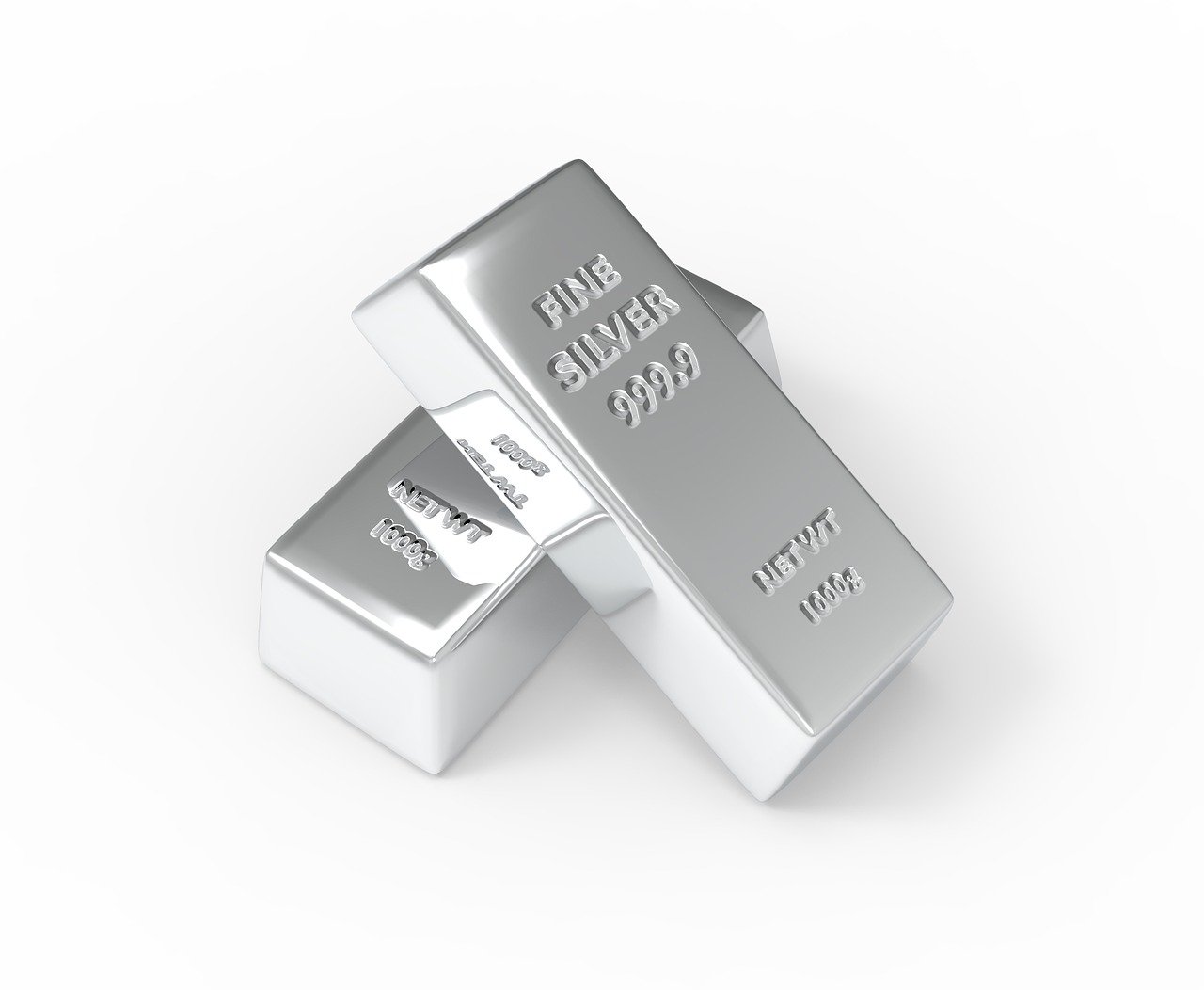
Owning physical silver — bullion bars and coins — eliminates credit risk and derivative exposure inherent in futures contracts.
🟡 Premiums Matter
Physical supply shortages and delivery costs can cause dealer premiums to widen — a real cost that paper prices don’t capture.
- Risks and Realities
Every bullish case must acknowledge risks:
- Futures markets can suppress or distort prices short-term.
- Regulatory actions can alter market structure.
- Large breakout moves can be followed by retracements.
Yet, these risks are common in commodities — and the underlying fundamentals of supply, consumption, and monetary demand distinguish silver from most others.
- The Bullion Dealer’s Perspective
As a dealer who handles actual physical metal — coins and bars — daily, I can attest to several real-market signals that align with the broader narrative:
📈 Inventory Tightness
Some products experience allocation or delay as refineries direct metal toward industrial contracts first.
📈 Retail Demand
Demand for physical silver spikes after price volatility, not before — a sign of growing awareness among investors.
📈 Premium Expansion
During periods of tight supply, premiums on retail silver rise — an indicator that real metal is changing hands and not sitting idle.
- A Structural Shift, Not Just a Trade
The narrative around a single bank’s position reversal is dramatic — but the deeper story is silver’s evolving role in the global economy:
- Energy transition increases industrial demand
- Lower mine investment tightens supply
- Monetary uncertainty boosts store-of-value demand
- Paper and physical markets increasingly diverge
These dynamics together create a structural backdrop for higher silver prices over time — regardless of any one institution’s trading strategy.
Conclusion
Whether or not J.P. Morgan flipped its entire position, the conversation has shone a spotlight on broader market realities:
- Silver’s dual identity makes it uniquely positioned for structural demand growth.
- Supply dynamics are tightening globally.
- Physical and paper markets are increasingly decoupled.
- Premiums and inventory behavior suggest real scarcity.
For bullion investors, especially those seeking portfolio diversification and protection against inflation and monetary uncertainty, silver deserves serious consideration — not as a speculative bet, but as a strategic allocation with structural support.
As with all markets, timing remains uncertain — but the long-term case for silver is stronger than it has been in decades.